There are few dishes that evoke instant luxury quite like perfectly cooked lobster. Often reserved for fine dining establishments, many home cooks hesitate to tackle this prized crustacean, fearing they will ruin the delicate meat. However, achieving the Best Lobster Tail is surprisingly simple when you master one fundamental technique: the butterflying and baking method.
This recipe provides a long, easy-to-read guide that demystifies the process. We utilize the “piggyback” butterflying technique, which exposes the entire surface of the lobster meat. This ensures maximum saturation from a rich, savory garlic butter sauce before baking and a quick broil. The result? Tender, moist, sweet lobster meat that is intensely flavorful, never rubbery, and rivals any five-star restaurant offering. Forget complicated steaming or boiling; this butter-baked method guarantees the juiciest, most flavorful lobster experience you will ever create in your own kitchen. Prepare to impress your guests, or simply indulge yourself, with what truly is the Best Lobster Tail you can make.
Why You’ll Love This Best Lobster Tail Recipe: Tender, Rich, and Restaurant-Quality
If you’ve been searching for a foolproof method to cook lobster that delivers on flavor and texture every single time, your search ends here. This specific preparation method has been perfected to maximize tenderness and butter infusion, making it the undisputed Best Lobster Tail preparation.
Unbeatable Texture: Say Goodbye to Rubbery Lobster
The number one complaint about home-cooked lobster is rubberiness. This usually stems from boiling or overcooking. Our method, which utilizes a moderate oven temperature (400°F/200°C) combined with a precise cooking time based on tail size, locks in moisture. By lifting the meat onto the shell (the “boat method”), the meat is lifted out of any potential simmering juices, allowing it to bake evenly. The result is consistently firm yet tender and succulent meat the hallmark of a truly great lobster dish.
Maximum Flavor Infusion: The Garlic Butter Secret
Unlike boiling, which dilutes flavor, baking allows the butter to become the primary cooking medium. We don’t just drizzle butter on the lobster; we create a richly seasoned garlic, salt, pepper, and lemon zest compound butter. Generously basting the exposed, scored meat ensures that this mixture penetrates deep into the muscle fibers. Every bite of the finished product is infused with garlicky, buttery goodness. This infusion technique is crucial for achieving the Best Lobster Tail flavor profile.
Elegant Presentation, Effortless Execution
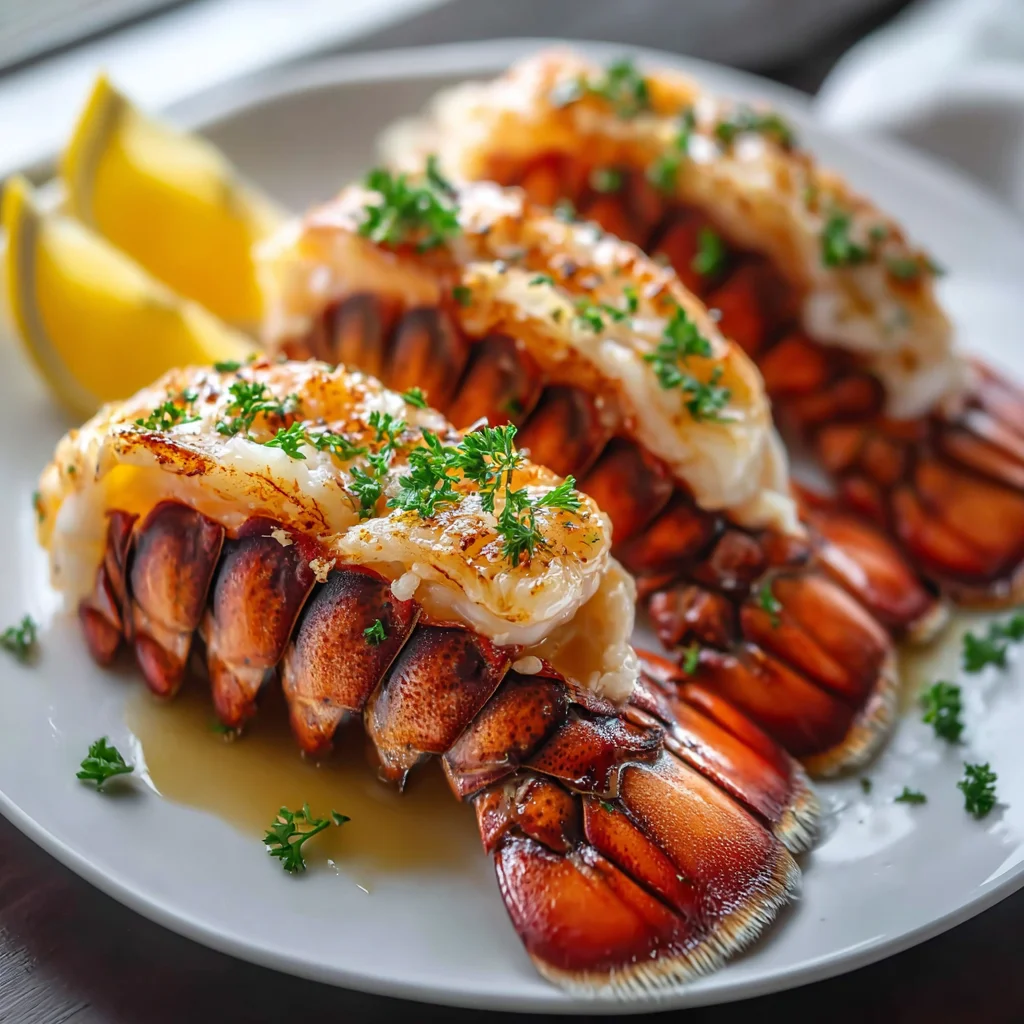
The beauty of the butterfly technique is that it creates a stunning presentation with minimal effort. The white, cooked meat rests dramatically atop the bright red shell, making it look incredibly professional and high-end. Despite its gourmet appearance, the preparation once you have the technique down takes less than five minutes per tail, and the baking time is under fifteen minutes. This means you can serve a spectacular main course without spending hours in the kitchen, making this the ideal luxury meal for any special occasion or date night.
The Secret to the Best Lobster Tail Method: Butterflying and Baking Excellence
Understanding why this method works better than traditional preparations is key to embracing it confidently. This technique offers control and moisture retention that boiling or grilling simply cannot match, solidifying its place as the superior way to cook a lobster dinner.
Why Cold-Water Tails are Essential
When aiming for the Best Lobster Tail, the source matters. Cold-water tails (like those from Maine, Canada, or South Africa) are generally preferred over warm-water tails (like those from the Caribbean or Florida). Cold-water lobsters grow slower, resulting in meat that is denser, firmer, whiter, and notably sweeter. While warm-water tails are often cheaper, they can sometimes be tougher and possess a slightly different flavor profile. For a truly luxurious experience, invest in high-quality, cold-water lobster tails, typically weighing between 5 and 7 ounces each.
The Art of the “Piggyback” Butterfly
The butterfly cut is a game-changer. By cutting the top shell and lifting the meat out while keeping the base intact you achieve several things:
- Even Cooking: The meat is spread slightly, allowing heat to circulate evenly around the muscle mass.
- Direct Basting: The buttery mixture can be applied directly to the surface, maximizing absorption.
- Visual Appeal: It creates the classic, impressive presentation often seen in high-end restaurants.
Crucially, we also lightly score the meat once it’s butterflied. This small detail ensures the center cooks completely and allows the garlic butter to seep deeply into the thickest part of the tail, guaranteeing that savory flavor reaches every corner.
The Power of the Broiler Finish
While baking ensures the meat cooks gently and moistly, the final minute under the broiler is what truly elevates this dish. The broiler provides intense, direct heat, achieving two things:
- It caramelizes the milk solids in the butter, giving the lobster a rich, golden-brown crust.
- It completes the cooking process quickly, ensuring the center reaches 140°F (60°C) without risking overall overcooking.
Warning: The broil step is fast! Never walk away from the oven during this final phase. It’s the difference between a golden crust and a burnt meal.
By combining these three elements quality tails, meticulous butterflying, and controlled baking/broiling you ensure that every time you prepare this dish, you are serving the Best Lobster Tail possible.
Ingredients and Essential Equipment for the Best Lobster Tail (The Prep List)
Success in making the Best Lobster Tail starts with superior ingredients and the right tools. While the list is simple, the quality of each item plays a crucial role in the final dish.
Detailed Ingredient Breakdown (The Core Four)
This recipe relies on fresh, vibrant ingredients to complement the sweetness of the lobster. We have broken down the requirements below:
| Item | Quantity | Notes for Success |
|---|---|---|
| Cold-Water Lobster Tails | 4 (approx. 5-7 oz each) | Thawed completely and patted dry. Aim for uniform size for even cooking. This is the foundation of the Best Lobster Tail. |
| Unsalted Butter | 6 Tablespoons (divided 4 Tbsp + 2 Tbsp) | Using unsalted butter gives you control over the final salt level. The division is important: 4 Tbsp for cooking/basting, 2 Tbsp for the dipping sauce. |
| Fresh Garlic | 3 Cloves | Minced finely. Do not use pre-minced or powdered garlic. Fresh garlic provides the essential aromatic punch that defines this flavor profile. |
| Fresh Lemon Juice and Zest | 1 Tbsp Juice + 1/2 Tsp Zest | The zest goes into the cooking butter for intense aroma; the juice goes into the finishing butter for a bright dip. |
| Kosher Salt & Pepper | 1 Tsp Salt / 1/2 Tsp Pepper | Kosher salt adheres well and provides a cleaner taste than iodized salt. Adjust to your preference, but season generously. |
| Fresh Parsley or Chives | 1 Tablespoon | Finely chopped, purely for garnish and a hint of freshness at the end. |
A note on Thawing: Proper thawing is vital for the texture of the Best Lobster Tail. Avoid microwaving. Slow thawing in the refrigerator is preferred, but the cold water bath method (changing water every 30 minutes) is also effective for faster results. The crucial final step is ensuring the tails are bone-dry before applying the butter, as moisture prevents the butter from adhering and achieving that perfect golden crust.
Necessary Equipment for Precision and Safety
While you don’t need highly specialized tools, a few items are essential for the clean, easy preparation of the butterflied tails and for ensuring they are cooked perfectly:
- Sharp Kitchen Shears: Sharp scissors are non-negotiable for cutting the hard lobster shell smoothly without damaging the meat underneath. They are far superior to a knife for this task.
- Small Mixing Bowl & Basting Brush: Used for blending the garlic butter and applying it generously. A silicone brush is ideal for even distribution.
- Baking Sheet: A standard sheet pan. Line it with parchment paper or foil for easy cleanup, especially important when dealing with bubbling butter.
- Meat Thermometer (Recommended): Although optional, a good digital thermometer is the secret weapon of professional chefs. It eliminates guesswork. Lobster is fully cooked at 140°F (60°C). Never rely solely on color.
Having these tools ready before you begin Phase 1 will streamline your process and guarantee a stress-free route to the Best Lobster Tail dinner.
Step-by-Step Guide: How to Achieve the Best Lobster Tail (Method)
Follow these four phases precisely to ensure your lobster is tender, moist, and perfectly infused with butter and garlic. This detailed process takes the guesswork out of luxury cooking.
Phase 1: Preparing the Lobster Tails (The Butterfly Cut)
The prep work is the most crucial step for achieving that stunning presentation and maximum butter coverage.
Step 1: Thaw the Tails Completely
If using frozen tails, ensure they are fully thawed. Transfer them to the refrigerator 24 hours before cooking. Alternatively, use the cold water bath method (in a sealed bag, changing water every 30 minutes). Once thawed, pat the tails dry thoroughly with paper towels. This removes surface moisture, which is critical for successful basting.
Step 2: Preheat the Oven and Prep the Pan
Preheat your oven to 400°F (200°C). Line a large baking sheet with parchment paper or aluminum foil. Set the baking sheet aside.
Step 3: Butterfly the Shell (The Boat Method)
Place the lobster tail rounded-side up (the hard shell side). Using sharp kitchen shears, carefully cut straight down the center of the top of the shell. Start near the widest end and stop just before the tail fan. Be careful not to cut through the meat itself or the bottom membrane of the shell. The bottom shell layer should remain intact to act as the “boat.”
Step 4: Expose and Lift the Meat
Gently open the cut shell with your fingers. Use a spoon or your fingers to carefully loosen the meat from the sides of the shell walls. Lift the entire piece of lobster meat up and out of the shell. Gently lift the meat until it is resting completely atop the shell.
Step 5: Position the Meat and Score
Place the empty shell halves back together. Rest the lifted meat on top of the cut shell, threading the tail meat back through the opening slightly. This creates the “piggyback” presentation. Lightly score the top of the exposed lobster meat down the center, about 1/4 inch deep. This score allows the butter to penetrate deeper and aids in even cooking.
Phase 2: Preparing the Garlic Butter
This flavor profile is what separates a good lobster tail from the Best Lobster Tail.
Step 6: Melt the Butter
In a small bowl, melt 4 tablespoons of the unsalted butter. You can use a microwave or stovetop saucepan.
Step 7: Infuse the Seasonings (The Cooking Butter)
Add the finely minced garlic, lemon zest, Kosher salt, and black pepper to the melted butter (4 Tbsp portion). Stir until everything is well combined and the salt is dissolved. This heavily seasoned mixture is your cooking and basting butter. Set this aside.
Step 8: Prepare the Finishing Butter (The Dipping Sauce)
Melt the remaining 2 tablespoons of butter separately. Add 1 tablespoon of fresh lemon juice to this butter. Keep this plain lemon butter warm; it will serve as the classic, bright dipping sauce. For a perfect pairing, serve this alongside a classic Spanish appetizer like Garlic Shrimp (Gambas al Ajillo).
Phase 3: Baking and Broiling (The Cook)
Precision is key in this phase. Overcooking is the greatest enemy of the Best Lobster Tail.
Step 9: Baste the Meat Generously
Place the prepared lobster tails onto the lined baking sheet. Use the basting brush to generously coat the exposed, butterflied lobster meat with the seasoned garlic butter mixture (from Step 7). Ensure the mixture gets into the scored line. Reserve any leftover garlic butter for a final basting.
Step 10: Bake the Tails
Place the baking sheet in the preheated 400°F (200°C) oven. Bake for approximately 12 to 15 minutes. Smaller tails (5 oz) will need closer to 12 minutes, while larger tails (7 oz) may need 14-15 minutes. The internal cooking time is short because the meat is exposed and scored.
Step 11: Check for Doneness
The lobster is done when the meat turns opaque white and is firm to the touch. Use your meat thermometer: the internal temperature, checked at the thickest part, should register 140°F (60°C). Remove immediately when this temperature is reached to prevent drying out. Avoid overcooking; this is the key to non-rubbery, tender lobster.
Step 12: The Optional Broil (For Color and Crust)
If the tails are cooked through (140°F/60°C) but lack a rich, golden hue, turn the oven to the Broil setting. Place the pan on the top rack for just 1 to 2 minutes. Watch continuously! Remove the moment the butter melts, bubbles, and the top begins to brown slightly. This gives you the stunning, golden crust of the Best Lobster Tail.
Phase 4: Serving and Presentation
The perfect finish ties the whole dish together.
Step 13: Rest and Baste
Remove the lobster tails from the oven. If you reserved any garlic butter (from Step 9), brush a final, generous coat over the hot lobster meat. The residual heat will fully melt the butter. Allow the tails to rest for 1 minute this helps the juices redistribute slightly.
Step 14: Garnish and Serve
Transfer the finished tails to an elegant serving plate. Sprinkle the finely chopped fresh parsley or chives over the top for color and fragrance. Serve immediately with the small dish of the plain lemon finishing butter (from Step 8) for dipping. For a truly memorable meal, pair this with a crisp white wine and follow up with a decadent dessert like Basque Cheesecake.
Expert Tips, Troubleshooting, and Flavor Variations
Even the Best Lobster Tail recipe can be customized or encounter slight difficulties. Here are some expert insights to ensure flawless results every time.
Troubleshooting Common Mistakes
Mistake 1: Rubbery Texture
This is almost always due to overcooking. Use a thermometer! If you don’t have one, stick strictly to the cooking times (12-15 minutes at 400°F). Remember, lobster is very lean, and the protein seizes up quickly when overcooked.
Mistake 2: Burnt Garlic
If you mince the garlic too finely, it can burn under the broiler. To prevent this, you have two options: either mince the garlic slightly larger, or, if you plan to use the broiler, incorporate the fresh garlic into the butter after the lobster has baked for 10 minutes, basting before the final 2 minutes of cooking.
Mistake 3: Butter Sliding Off
If your butter doesn’t cling, the tails were probably still too damp. Ensure they are thoroughly dried with paper towels before any butter touches them.
Flavor Variations: Elevating Your Dish
While the classic garlic butter flavor is sublime, you can easily create custom compound butters to vary your Best Lobster Tail experience:
- Smoked Paprika Butter: Add 1/2 teaspoon of sweet smoked paprika and a pinch of cayenne pepper to the cooking butter (Step 7). This adds a deep, savory, smoky undertone that pairs beautifully with the sweet lobster meat.
- Herb Garden Butter: Replace the parsley/chives with a mix of fresh tarragon and thyme. Tarragon is a classic pairing with shellfish, giving the dish a subtle anise-like lift.
- Spicy Chili Lime Butter: Incorporate the zest of one lime and 1/4 teaspoon of finely minced jalapeño or dried red chili flakes into the basting butter. Serve the dipping sauce with extra lime wedges.
- Truffle Lobster: For a truly decadent upgrade, mix 1 teaspoon of white truffle oil (or 1/2 tsp black truffle paste) into the finishing butter (Step 8).
Perfect Side Pairings
Lobster pairs well with light, crisp sides that don’t overshadow its delicate flavor. Excellent accompaniments include:
- Creamy risotto (Parmesan or mushroom)
- Asparagus roasted simply with olive oil and salt
- Garlic mashed potatoes
- A simple green salad with a bright vinaigrette
- If you are hosting a seafood feast, consider adding more luxurious side dishes. Follow our seafood inspiration and ideas on Pinterest for more inspiration.
Nutritional Value and Health Benefits of Eating Lobster
Beyond being an incredibly delicious and sought-after ingredient, lobster is surprisingly nutritious. When prepared using our butter-baked method, it remains a lean source of high-quality protein, making the Best Lobster Tail a satisfying and relatively healthy indulgence.
Protein Powerhouse
Lobster meat is almost entirely lean protein, comparable to chicken breast, but with the added benefit of being naturally low in saturated fat. A standard 5-ounce lobster tail provides approximately 25-30 grams of protein. Protein is essential for muscle repair, satiety, and overall cellular function.
Essential Micronutrients
Lobster is rich in several essential vitamins and minerals that often lack in modern diets:
- Selenium: An important antioxidant that helps protect cells from damage. Lobster is one of the top food sources of selenium.
- Vitamin B12: Crucial for nerve function and the production of red blood cells. A serving of lobster provides a substantial portion of the daily recommended intake.
- Copper: Necessary for the absorption of iron and the production of energy.
- Zinc: Supports immune function and wound healing.
- Omega-3 Fatty Acids: While not as high as fatty fish like salmon, lobster does contain beneficial Omega-3s, which are known for their anti-inflammatory and cardiovascular benefits.
Caloric Context
The lobster meat itself is very low in calories (a 5-ounce tail is typically under 100 calories). The majority of the caloric intake comes from the preparation method specifically, the butter. Because this recipe uses controlled amounts of butter (6 tablespoons divided among 4 tails), the indulgence is manageable. If you are watching your fat intake, you can reduce the amount of butter used for basting, though it will slightly diminish the intensity of the garlic flavor and the richness that defines the Best Lobster Tail.
Estimated Nutritional Breakdown (per 5-7 oz tail, prepared with 1.5 Tbsp butter):
- Calories: Approx. 200–250 kcal
- Protein: 25–30g
- Total Fat: 12–18g (mostly unsaturated and butter fat)
- Carbohydrates: <1g
Frequently Asked Questions (FAQ) about the Best Lobster Tail
We answer the most common questions related to cooking and preparing the Best Lobster Tail at home.
How do I prevent my lobster tail from getting rubbery?
The absolute best way to prevent rubbery meat is to use a meat thermometer. Lobster is fully cooked and safe to eat when it reaches an internal temperature of 140°F (60°C). Remove the tails from the oven immediately once this temperature is achieved, as cooking past 145°F will rapidly toughen the proteins.
Should I use fresh or frozen lobster tails for the Best Lobster Tail recipe?
Unless you live directly near the coast and can purchase freshly caught tails, high-quality, cold-water frozen tails are generally recommended. They are flash-frozen soon after catch, preserving freshness. Ensure they are thawed slowly and completely before preparing to maintain texture integrity.
What is the advantage of butterflying the lobster tail?
Butterflying, or cutting and lifting the meat onto the shell, exposes a larger surface area of the meat. This allows the garlic butter basting mixture to penetrate deeper into the flesh, maximizing flavor infusion and ensuring the thickest part of the tail cooks evenly and thoroughly.
What size lobster tail is considered the Best Lobster Tail for baking?
For baking, 5 to 7-ounce tails are considered ideal. They cook quickly and evenly without drying out. Very large tails (8+ ounces) often require a lower temperature and longer cooking time, making them slightly more challenging to perfect.
Can I grill the lobster tails using this method instead of baking?
Yes, the butterflied and basted method translates well to grilling. Place the tails meat-side up on the grates over medium-high heat (about 350°F). Grill for 10-15 minutes, basting occasionally, until the internal temperature reaches 140°F. Watch carefully to avoid charring the meat directly.
Conclusion: The Ultimate Indulgence is Within Reach
You now possess the definitive guide to creating the Best Lobster Tail possible using the elegant, yet deceptively simple, butter-baked method. We’ve covered every detail, from selecting premium cold-water tails and performing the perfect piggyback cut, to infusing the meat with rich garlic butter and achieving a perfect, non-rubbery finish at 140°F.
This recipe transforms what many consider a complicated luxury into an accessible home-cooked triumph. The combination of baking for gentle moisture retention and the quick broil for that golden, caramelized crust delivers results that truly justify the title of the Best Lobster Tail. Whether you are celebrating an anniversary, hosting a holiday dinner, or simply treating yourself to a glorious meal, this preparation guarantees a tender, buttery, and unforgettable experience.
Gather your ingredients, sharpen those kitchen shears, and prepare to be amazed at the quality of gourmet seafood you can produce right in your own kitchen. Try this recipe tonight and let us know in the comments how your butter-baked lobster turned out!
THE BEST BUTTER-BAKED LOBSTER TAILS
Ingredients
Equipment
Method
- Thaw the Tails Completely: Ensure the lobster tails are fully thawed. Pat them dry thoroughly with paper towels before proceeding.
- Preheat the Oven and Prep the Pan: Preheat your oven to 400°F (200°C). Line a large baking sheet with parchment paper or aluminum foil for easy cleanup.
- Butterfly the Shell (The Boat Method): Place the lobster tail rounded-side up. Using sharp kitchen shears, carefully cut straight down the center of the top of the shell, stopping just before the tail fan. Be careful not to cut through the bottom membrane.
- Expose and Position the Meat: Gently open the cut shell. Use your fingers to carefully loosen the meat from the sides of the shell. Lift the entire piece of lobster meat up and out, placing it on top of the cut shell (the 'piggyback' position). Lightly score the top of the lobster meat down the center about 1/4 inch deep.
- Prepare the Cooking Butter: In a small bowl, melt 4 tablespoons of the unsalted butter. Add the minced garlic, lemon zest, Kosher salt, and black pepper. Stir until combined. Set this mixture aside (the cooking butter).
- Prepare the Finishing Butter: Melt the remaining 2 tablespoons of butter separately. Add 1 tablespoon of fresh lemon juice to this butter. Keep this plain lemon butter warm for serving.
- Baste the Meat: Place the prepared lobster tails onto the lined baking sheet. Use the basting brush to generously coat the exposed lobster meat with the seasoned cooking butter mixture (from Step 5). Ensure the mixture gets into the scored line. Reserve any leftover garlic butter.
- Bake the Tails: Place the baking sheet in the preheated 400°F (200°C) oven. Bake for approximately 12 to 15 minutes, depending on the size of the tails.
- Check for Doneness and Broil: The lobster is done when the meat turns opaque white and registers an internal temperature of 140°F (60°C). For a slightly browned crust, switch the oven to Broil for the final 1-2 minutes, watching closely to prevent burning.
- Rest and Baste: Remove the tails from the oven. Brush a final, generous coat of any reserved garlic butter over the hot lobster meat. Allow the tails to rest for 1 minute.
- Garnish and Serve: Transfer the finished lobster tails to a serving plate. Sprinkle with the finely chopped fresh parsley or chives. Serve immediately with a small dish of the plain lemon finishing butter (from Step 6) for dipping.