In today’s fast-paced world, finding snacks that are both genuinely healthy and incredibly satisfying often feels like a balancing act. We crave convenience, but we refuse to compromise on flavor or nutritional value. Enter the solution: homemade, no-bake Peanut Butter Coconut Protein Balls. These delicious energy bites are the ultimate grab-and-go fuel, combining the comforting richness of creamy peanut butter with the tropical sweetness of shredded coconut, all bound together by muscle-building protein powder and fiber-rich oats.
Whether you are prepping for a marathon training session, trying to power through the 3 PM office slump, or simply looking for a wholesome dessert alternative, these protein balls deliver. They require less than 15 minutes of hands-on preparation time, meaning you can whip up an entire batch of approximately 20 healthy snacks faster than it takes to queue for a specialty coffee. The best part? There is absolutely no baking involved, making this recipe foolproof for even the most novice kitchen enthusiast. If you are ready to revolutionize your snack game with a simple, high-protein treat, then stick around. This comprehensive guide will walk you through every step of creating the perfect batch of Peanut Butter Coconut Protein Balls, ensuring perfect texture and mouth-watering flavor every single time.
Why You’ll Fall in Love with These Peanut Butter Coconut Protein Balls
These delightful energy bites transcend the typical definition of a healthy snack; they are a culinary experience disguised in a petite, power-packed sphere. The sheer ease and reliability of this recipe are primary reasons why it quickly becomes a weekly staple for so many busy individuals and families. But beyond the simplicity, it’s the combination of textures and flavors that truly captivates the palate, cementing these Peanut Butter Coconut Protein Balls as an irresistible treat.
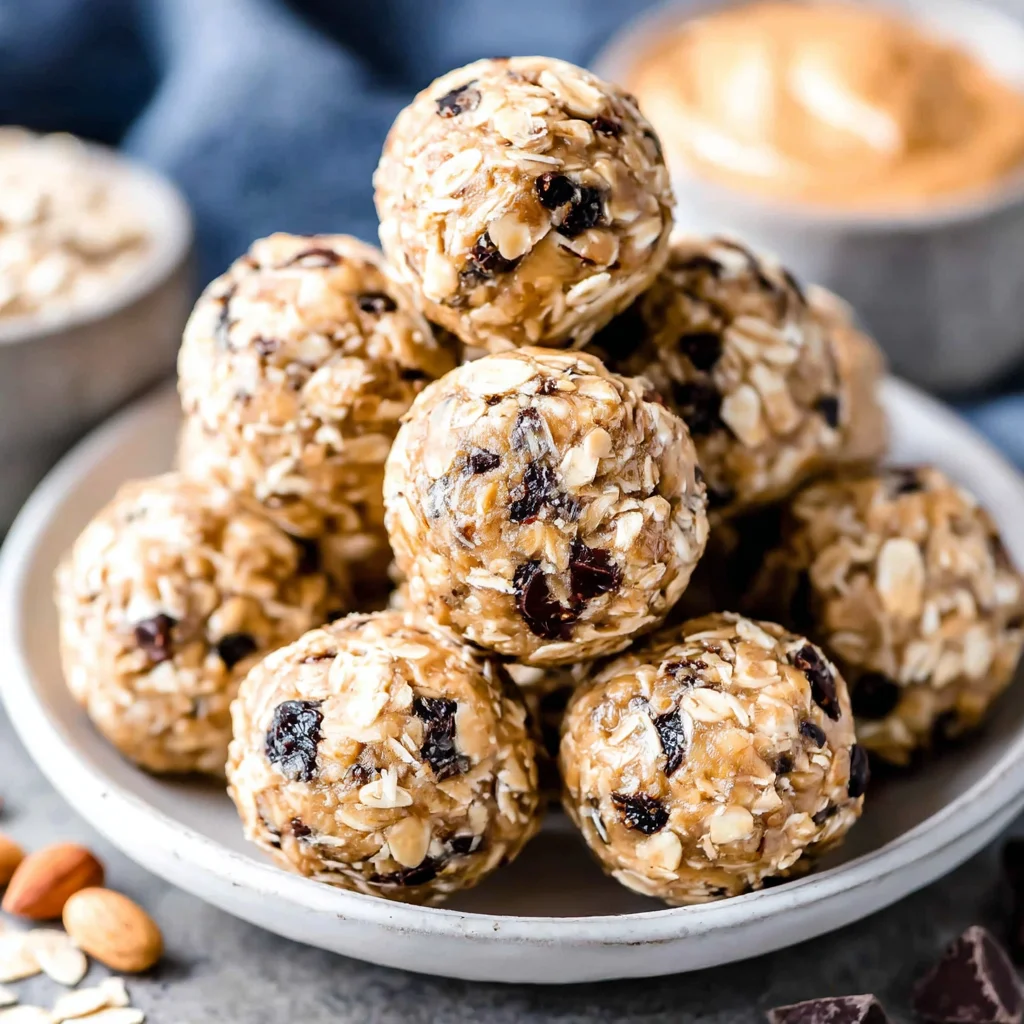
Firstly, consider the texture. Unlike some homemade protein bars that can feel dry or crumbly, these balls boast a perfect chewiness thanks to the combination of creamy peanut butter and finely ground rolled oats. When chilled, the structure firms up beautifully, resulting in a satisfyingly dense bite that melts delightfully in your mouth. The addition of shredded coconut, both mixed into the dough and used for the exterior coating, provides just the right amount of pleasant, tropical texture contrast.
Secondly, the flavor profile is exquisitely balanced. Peanut butter and coconut are a legendary pairing, offering a simultaneous salty, nutty depth from the peanut butter and a sweet, slightly tropical lightness from the coconut. The liquid sweetener (whether you choose honey, maple syrup, or agave) perfectly complements these flavors without making the final product overly sugary. If you typically enjoy decadent Spanish desserts, you might appreciate how these provide a healthier, everyday alternative to classics like Basque Cheesecake, offering sweetness without the heavy caloric load.
This recipe is also incredibly flexible. It accepts minor tweaks and additions readily, allowing you to tailor it precisely to your preferred taste or current pantry stock. Need a chocolate boost? Toss in some mini dark chocolate chips. Looking for extra fiber? A spoonful of chia or flax seeds blends right in. This adaptability ensures that these Peanut Butter Coconut Protein Balls never become boring. They are reliable, delicious, and perfectly suited for anyone striving for a healthier lifestyle without sacrificing great taste. They are truly the definition of smart snacking.
Why You Should Try Making These Easy Energy Bites Today
If your pantry is stocked with ingredients, there’s no reason to wait this recipe for Peanut Butter Coconut Protein Balls should be next on your list. Beyond their incredible taste and ease of preparation, these energy bites offer significant practical advantages that support modern, active lifestyles, making them an essential addition to your weekly meal preparation routine.
Superior Nutritional Control: When you buy pre-packaged protein bars or energy bites, you are often consuming hidden sugars, artificial preservatives, and binding agents that detract from their purported health benefits. By making these Peanut Butter Coconut Protein Balls at home, you have complete control over every single ingredient. You choose the quality of the peanut butter, the type of sweetener (allowing you to opt for natural, unrefined options), and the specific protein powder that meets your dietary needs (whey, casein, or plant-based).
Cost-Effective Snacking: High-quality, store-bought protein snacks are notoriously expensive. A single protein bar can easily cost three or four dollars. This recipe yields 18 to 20 servings for a fraction of the price per ball. Investing in the bulk ingredients needed for these Peanut Butter Coconut Protein Balls upfront saves you significant money in the long run, proving that healthy eating doesn’t have to break the bank.
Perfect for Meal Prep and Storage: The yield from this recipe is ideal for batch cooking. Once prepared and stored in the refrigerator, these protein balls remain fresh for up to 10 days, providing you with healthy, ready-to-eat snacks throughout the entire week. This eliminates the frantic search for a healthy bite when hunger strikes, making better choices simple and automatic. They also freeze exceptionally well, offering even more convenience for long-term planning.
Fitness Fuel: Whether consumed pre-workout for a quick energy boost from the oats and sweetener, or post-workout to kickstart muscle repair with the high protein content, these Peanut Butter Coconut Protein Balls are functionally effective. The balance of carbohydrates, fats, and protein makes them a superior choice compared to simple sugar snacks or empty calorie fillers. They provide sustained energy without the inevitable crash.
For those who love quick, nourishing dishes, whether savory or sweet, these protein balls stand alongside other simple, pantry-friendly recipes like Garlic Prawns or a classic Spanish breakfast spread. They demonstrate that the best food is often the simplest to prepare, requiring minimal fuss for maximum flavor and benefit.
Ingredients and Essential Utensils for Irresistible Peanut Butter Coconut Protein Balls
Achieving the perfect texture in a no-bake protein ball relies heavily on the quality and measurement of your ingredients. Because these snacks rely on the stickiness of the wet ingredients and the absorbency of the dry ingredients to bind together without heat, precision is key. Here is a detailed breakdown of the components and the indispensable tools required to make these flawless Peanut Butter Coconut Protein Balls.
Detailed Ingredient List: Precise Quantities
For the Protein Ball Base
- 1 cup Creamy Peanut Butter: Use a natural, no-stir variety if possible, ensuring it is stirred well before measuring. The oil separation in natural peanut butter aids in achieving the desired pliable consistency. Avoid overly dry or low-fat varieties, as they will make the mixture crumbly.
- 1/2 cup Old-Fashioned Rolled Oats: Uncooked. These provide fiber, bulk, and structure. Do not substitute instant oats, as they absorb moisture too quickly and can result in a gummy texture. If you prefer a smoother texture, you can briefly pulse the oats in a food processor before mixing.
- 1/2 cup Vanilla Protein Powder: This is the functional core of the recipe, providing structure and the essential protein boost. Vanilla is recommended as it complements both the peanut butter and coconut flavors. Any high-quality whey, casein, or plant-based protein powder will work. Note that plant-based powders often absorb more liquid, so you might need extra milk.
- 1/4 cup Unsweetened Shredded Coconut: This quantity is mixed directly into the batter. It adds texture and integrates the tropical flavor throughout the ball, not just on the exterior. Ensure it is unsweetened to control the overall sugar content.
- 1/4 cup Liquid Sweetener: You have flexibility here. Honey offers a classic, sticky binding agent and a rich flavor. Maple Syrup or Agave Nectar are excellent vegan alternatives and bind equally well. Choose the sweetener that best fits your dietary requirements and flavor preference.
- 1 teaspoon Pure Vanilla Extract: A crucial ingredient that elevates the overall flavor profile, balancing the intensity of the peanut butter and protein powder.
- 1 to 2 tablespoons Milk (Any variety): This is your troubleshoot ingredient. It should only be added gradually (1 tablespoon at a time) if your mixture is too dry or crumbly due to variations in protein powder or peanut butter type.
For Coating (Optional but Highly Recommended)
- 1/2 cup Extra Unsweetened Shredded Coconut: Used exclusively for rolling and coating the finished balls. This step adds visual appeal, prevents sticking, and maximizes the coconut flavor impact on the first bite.
Essential Gear for Perfect Peanut Butter Coconut Protein Balls
While this is a simple, no-fuss recipe, having the right tools on hand will drastically improve the efficiency of your prep time and the uniformity of your final Peanut Butter Coconut Protein Balls.
- Large Mixing Bowl: You need ample space to thoroughly combine the ingredients, especially when incorporating the sticky peanut butter into the dry powders without making a mess.
- Sturdy Mixing Implement: A wooden spoon, robust rubber spatula, or a stand mixer fitted with a paddle attachment. This mixture is extremely thick and heavy, so a flimsy whisk won’t suffice. The paddle attachment on a stand mixer is the ultimate tool for achieving a uniform dough quickly.
- Dry and Liquid Measuring Cups/Spoons: Accurate measurement is non-negotiable for the right consistency. Pay special attention to leveling the protein powder and oats.
- Small Cookie Scoop (or Measuring Tablespoon): This is the secret weapon for uniformity. Using a scoop ensures that all your Peanut Butter Coconut Protein Balls are exactly the same size (approximately one inch in diameter). This makes tracking serving sizes easier and ensures consistent appearance.
- Shallow Plate or Baking Sheet: Needed to hold the extra shredded coconut for the coating step, allowing for easy rolling.
- Parchment Paper or Wax Paper: Line your storage or setting container with parchment paper. This prevents the finished, coated balls from sticking together, especially if you plan to freeze them.
- Airtight Storage Container: Essential for keeping your finished Peanut Butter Coconut Protein Balls fresh and safe in the refrigerator.
By using precise measurements and these simple tools, you are guaranteed to create batch after batch of perfectly textured, delicious Peanut Butter Coconut Protein Balls.
Detailed Step-by-Step Guide to Rolling Your Peanut Butter Coconut Protein Balls
Creating these no-bake energy bites is incredibly straightforward, but following the steps sequentially ensures the best binding and texture. The key is combining the dry components thoroughly before introducing the heavy, wet binders like peanut butter and liquid sweetener.
Step 1: Combine the Dry Ingredients
In your large mixing bowl, measure out the 1/2 cup of Old-Fashioned Rolled Oats and the 1/2 cup of Vanilla Protein Powder. This initial step is vital. Use a whisk or large spoon to thoroughly combine these ingredients. Mixing the dry ingredients well ensures the protein powder is evenly distributed throughout the mixture, preventing pockets of unmixed powder later, which can result in a powdery or grainy texture in your finished Peanut Butter Coconut Protein Balls.
Step 2: Add the Wet Ingredients
Once the dry mixture is uniform, it is time to introduce the binders. Add the full 1 cup of Creamy Peanut Butter, the 1/4 cup of Liquid Sweetener (Honey, Maple Syrup, or Agave), and the 1 teaspoon of Pure Vanilla Extract directly on top of the dry ingredients.
Step 3: Mix the Dough to Perfection
This is where the elbow grease comes in! Using your sturdy spoon, spatula, or stand mixer (on low speed), begin mixing the ingredients. Start slowly to avoid launching a cloud of protein powder into the air. Continue mixing until a thick, uniform dough forms. It’s crucial to scrape down the sides of the bowl frequently to ensure all the dry powder is completely incorporated into the sticky peanut butter base. Stop mixing when there are absolutely no visible streaks of dry powder or unmixed peanut butter remaining. The resulting mixture should be dense, heavy, and extremely cohesive.
Step 4: Test and Adjust Consistency (The Troubleshooting Step)
At this stage, your mixture should resemble a thick cookie dough. If the dough looks cohesive, proceed to incorporate the 1/4 cup of Shredded Coconut designated for the base. Mix until the coconut is distributed. Now, test the dough: pinch a small amount and try to roll it. If it holds its shape firmly without cracking, the consistency is perfect. If, however, the mixture feels crumbly, stiff, or breaks apart easily, you need to introduce moisture. Add the milk, one tablespoon at a time, mixing thoroughly after each addition, until the dough reaches a pliable, easy-to-roll consistency. Remember, too much liquid will make the balls overly sticky and difficult to handle.
Step 5: Chill the Dough (The Secret to Easy Rolling)
Do not skip this step! Cover the bowl tightly with plastic wrap and transfer the dough into the refrigerator. Allow it to chill for a minimum of 30 minutes, but up to an hour is even better. Chilling the mixture solidifies the fats in the peanut butter and allows the rolled oats to absorb residual moisture, making the dough much firmer, less sticky, and significantly easier to roll into perfect, non-messy Peanut Butter Coconut Protein Balls.
Step 6: Prepare the Coating
While the dough is chilling, take the remaining 1/2 cup of Shredded Coconut (the coating portion) and spread it out evenly on a shallow plate or a small baking sheet. This setup streamlines the coating process.
Step 7: Roll the Balls
Remove the firm, chilled dough from the refrigerator. Using your small cookie scoop or a measuring tablespoon, scoop out uniform portions of the dough. Gently roll each portion between the palms of your hands until you form smooth, round spheres, ideally about one inch in diameter. Work quickly, as the warmth of your hands can cause the dough to soften. If the dough becomes too soft, return it to the fridge for 10 minutes.
Step 8: Coat and Finish
Immediately after rolling, gently drop each protein ball into the plate of shredded coconut. Roll it around until the exterior is completely covered. Place the finished Peanut Butter Coconut Protein Balls onto a clean plate or baking sheet lined with parchment paper. This separation helps prevent any residual stickiness from transferring between the balls.
Step 9: Store the Protein Balls and Set
For the absolute best results, return the finished, coated balls to the refrigerator for an additional 10 to 15 minutes. This final short chill allows the coconut coating to adhere fully and the balls to set completely before storage or serving. Store them in an airtight container in the fridge for up to 10 days.
Tips, Troubleshooting, and Delicious Flavor Variations
The beauty of no-bake recipes lies in their flexibility. Once you master the basic formula for these Peanut Butter Coconut Protein Balls, you can start experimenting with flavors and ingredients to suit specific dietary needs or taste preferences. Here are some essential tips and creative variations.
Pro Tips to Avoid Common Mistakes
- Tame the Stickiness: Peanut butter is inherently sticky. If you find the dough constantly sticking to your hands during rolling (even after chilling), lightly dampen your palms with cold water or lightly grease them with a tiny amount of coconut oil before you start rolling.
- The Power of the Processor: If you dislike the texture of whole rolled oats, pulse the 1/2 cup of oats in a food processor until they resemble a coarse flour or meal before adding them to the dry mix. This gives you all the fiber benefits with a much smoother final texture.
- Accurate Peanut Butter Measurement: When measuring creamy peanut butter, always spoon it into the measuring cup and level the top, ensuring there are no air pockets. For natural peanut butter, remember to stir the jar thoroughly before measuring, blending the oil back into the solids.
Making Your Protein Balls Diet-Friendly: Variations
These Peanut Butter Coconut Protein Balls are wonderfully adaptable:
- Nut-Free Version: Replace the peanut butter with SunButter (sunflower seed butter) or Tahini. Be aware that the flavor profile will change significantly, but the consistency remains reliable.
- Vegan/Plant-Based Peanut Butter Coconut Protein Balls: This recipe is easily made vegan. Ensure you use a plant-based protein powder (like pea or brown rice protein). Substitute the honey with Maple Syrup or Agave Nectar.
- Gluten-Free: Always verify that your rolled oats are certified gluten-free, as oats are often cross-contaminated during processing. Most protein powders are gluten-free, but checking the label is essential.
- Chocolate Coconut Protein Balls: Substitute the vanilla protein powder with a high-quality chocolate protein powder. You can also mix 2 tablespoons of unsweetened cocoa powder into the dry ingredients for a richer, deeper chocolate flavor. Add a pinch of sea salt to enhance the cocoa notes.
- Extra Crunch and Nutrients: Before chilling, fold in 1/4 cup of small additions such as mini dark chocolate chips, chopped peanuts, flax seeds, or chia seeds. These additions enhance both the nutritional density and the textural complexity of the finished Peanut Butter Coconut Protein Balls.
Troubleshooting Consistency
- Too Sticky/Oily: If the mixture is extremely sticky and even chilling doesn’t help, it usually means your peanut butter was very oily. Add 1 teaspoon of extra protein powder or a tiny sprinkle of oat flour (processed oats) at a time until the mixture firms up.
- Too Dry/Crumbly: This is common if using a very lean or highly absorbent protein powder. As directed in Step 4, add milk (or water) very slowly, a half teaspoon at a time, until the dough reaches the required pliability.
Nutritional Values and the Benefits of Peanut Butter Coconut Protein Balls
One of the primary reasons to embrace the Peanut Butter Coconut Protein Balls is their impressive nutritional profile. Unlike highly processed snack foods that are rich in simple sugars and empty calories, these bites are fundamentally structured around quality macronutrients designed to fuel the body efficiently.
While precise nutritional data depends heavily on the specific brands of peanut butter, protein powder, and sweetener used, a typical serving (one ball, yielding approximately 20 per batch) generally falls into the following approximate ranges:
| Nutrient | Approximate Value (Per Ball) |
|---|---|
| Calories | 100–120 kcal |
| Protein | 5–7 grams |
| Fats (mostly healthy fats) | 6–8 grams |
| Carbohydrates | 7–10 grams |
| Fiber | 1–2 grams |
Ingredient Spotlight: The Health Benefits of Protein Balls
The synergy between the key ingredients is what makes these balls so beneficial:
Protein Power for Satiety and Muscle Repair
The protein powder is the star here. Protein is essential for repairing muscle tissue after exercise and plays a critical role in satiety the feeling of fullness. With 5–7 grams of protein per small ball, these snacks are highly effective at curbing hunger and preventing mindless snacking later in the day. Choosing a high-quality protein powder ensures you are getting a complete amino acid profile, optimizing your body’s ability to utilize the protein.
Healthy Fats from Peanut Butter and Coconut
Natural peanut butter is an excellent source of monounsaturated and polyunsaturated fats the “heart-healthy” fats. These fats are vital for hormone production, nutrient absorption, and long-lasting energy. Similarly, coconut provides medium-chain triglycerides (MCTs), which are easily metabolized by the body for immediate energy, making these Peanut Butter Coconut Protein Balls an ideal functional snack.
Sustained Energy from Oats and Fiber
Old-fashioned rolled oats are rich in complex carbohydrates and soluble fiber (beta-glucan). Complex carbs release energy slowly into the bloodstream, avoiding the sharp spike and crash associated with simple sugars. The fiber promotes digestive health and further contributes to prolonged satiety, ensuring your energy levels remain stable long after you’ve enjoyed your quick bite.
Incorporating these Peanut Butter Coconut Protein Balls into your diet is a delicious and efficient way to manage hunger, boost your protein intake, and provide your body with clean, recognizable fuel. For more recipe inspiration and visual guides, be sure to check out my Pinterest board dedicated to healthy meal prep snacks.
Frequently Asked Questions (FAQs) About Peanut Butter Coconut Protein Balls
FAQs: Making and Storing Peanut Butter Coconut Protein Balls
How long do Peanut Butter Coconut Protein Balls last in the refrigerator?
When stored in an airtight container, these Peanut Butter Coconut Protein Balls will remain fresh and delicious in the refrigerator for up to 10 days. The cold temperature keeps the dough firm and prevents the ingredients, especially the oats and protein powder, from going stale.
Can I freeze these Peanut Butter Coconut Protein Balls for longer storage?
Absolutely! These protein balls freeze exceptionally well. Place them in a single layer on a parchment-lined baking sheet until solid, then transfer them to a freezer-safe bag or container. They can be frozen for up to 3 months; simply thaw them in the refrigerator overnight or on the counter for 20 minutes before enjoying.
What can I use instead of peanut butter if I have a nut allergy?
If nuts are an issue, you can successfully substitute the peanut butter with seed butter, such as SunButter (sunflower seed butter) or even smooth tahini. Be aware that seed butter often yields a slightly thinner consistency, so you might need to use slightly more protein powder or oats to firm up the Peanut Butter Coconut Protein Balls dough.
Why are my protein balls crumbling and not sticking together?
Crumbling typically indicates insufficient moisture. This is often caused by using a very dry protein powder or low-fat peanut butter. The fix is simple: add milk, water, or extra liquid sweetener (a teaspoon at a time) until the mixture holds together when pressed firmly. Also, ensure you chill the dough sufficiently, as cold dough is always easier to roll.
Can I use instant oats instead of old-fashioned rolled oats?
It is generally not recommended to substitute instant oats for old-fashioned rolled oats. Instant oats absorb moisture too quickly, which can make the mixture feel gummy or overly thick before it even fully binds. Old-fashioned rolled oats provide the ideal texture and structure for these no-bake Peanut Butter Coconut Protein Balls.
Conclusion: Your New Favorite Snack Is Ready
The journey to creating the perfect batch of Peanut Butter Coconut Protein Balls ends here, with a yield of approximately 20 delightful, power-packed snacks ready to support your busy life. We have covered every detail, from the essential ratio of wet-to-dry ingredients to the crucial step of chilling the dough, ensuring your resulting protein balls are firm, chewy, and bursting with flavor.
Remember that this recipe is a template for healthy snacking success. It offers an exceptional balance of protein (for muscle maintenance and satiety), healthy fats (for sustained energy), and complex carbohydrates (from the oats). Whether you are using them as a pre-gym fuel-up, a midday pick-me-up, or a guilt-free dessert, these Peanut Butter Coconut Protein Balls provide a cleaner, more nourishing alternative to most commercial snacks.
The simplicity of this no-bake recipe means that consistency is easily repeatable, making it the ideal candidate for weekend meal prep. So, grab your ingredients, spend 15 minutes mixing, and let the refrigerator do the rest of the work. You’ll find that having a container full of these delicious, homemade energy bites waiting for you makes healthy eating a pleasure, not a chore.
We encourage you to try this recipe, experiment with the suggested variations, and make these Peanut Butter Coconut Protein Balls your own. If you loved this easy snack, be sure to share this article with friends and family looking for convenient, protein-rich options. And as always, we would love to hear about your experience! Leave a comment below and let us know how you customized your perfect batch of Peanut Butter Coconut Protein Balls.
Peanut Butter Coconut Protein Balls (No-Bake Energy Bites)
Ingredients
Equipment
Method
- In a large mixing bowl, measure and combine the Rolled Oats and the Vanilla Protein Powder. Use a whisk or a spoon to thoroughly mix these two ingredients together to ensure the protein powder is evenly distributed.
- To the dry ingredients, add the full cup of Creamy Peanut Butter, the measured Liquid Sweetener (Honey or Maple Syrup), and the Vanilla Extract.
- Using a sturdy spoon, spatula, or a stand mixer fitted with a paddle attachment, mix all ingredients until a uniform, thick dough forms. Continue mixing until no streaks of peanut butter or dry powder remain.
- If the mixture appears too thick and sticky, add the 1/4 cup of Shredded Coconut (the amount designated for the base). If the mixture still feels crumbly or is difficult to stick together, add the milk, one tablespoon at a time, until the dough reaches a pliable consistency that can be easily rolled without falling apart.
- Cover the mixing bowl tightly with plastic wrap. Place the dough into the refrigerator and allow it to chill for a minimum of 30 minutes. Chilling the mixture makes the dough firmer and significantly easier to roll.
- While the dough is chilling, pour the additional 1/2 cup of Shredded Coconut (for rolling) onto a shallow plate or baking sheet.
- Remove the chilled dough from the refrigerator. Use a small cookie scoop or a measuring tablespoon to measure out equal portions of the dough (approximately 1 inch in diameter). Roll each portion between the palms of your hands to form smooth, round balls.
- Immediately roll each protein ball gently through the plate of extra shredded coconut until the exterior is fully coated. Place the finished coated balls onto a clean plate or a baking sheet lined with parchment paper.